
Kawan Against Malaria - Malaria Spread Studies Umalulu
Kawan Against Malaria - Malaria Spread Studies Umalulu
Project Category
Kawan Sehat
Project Year
PROBLEM
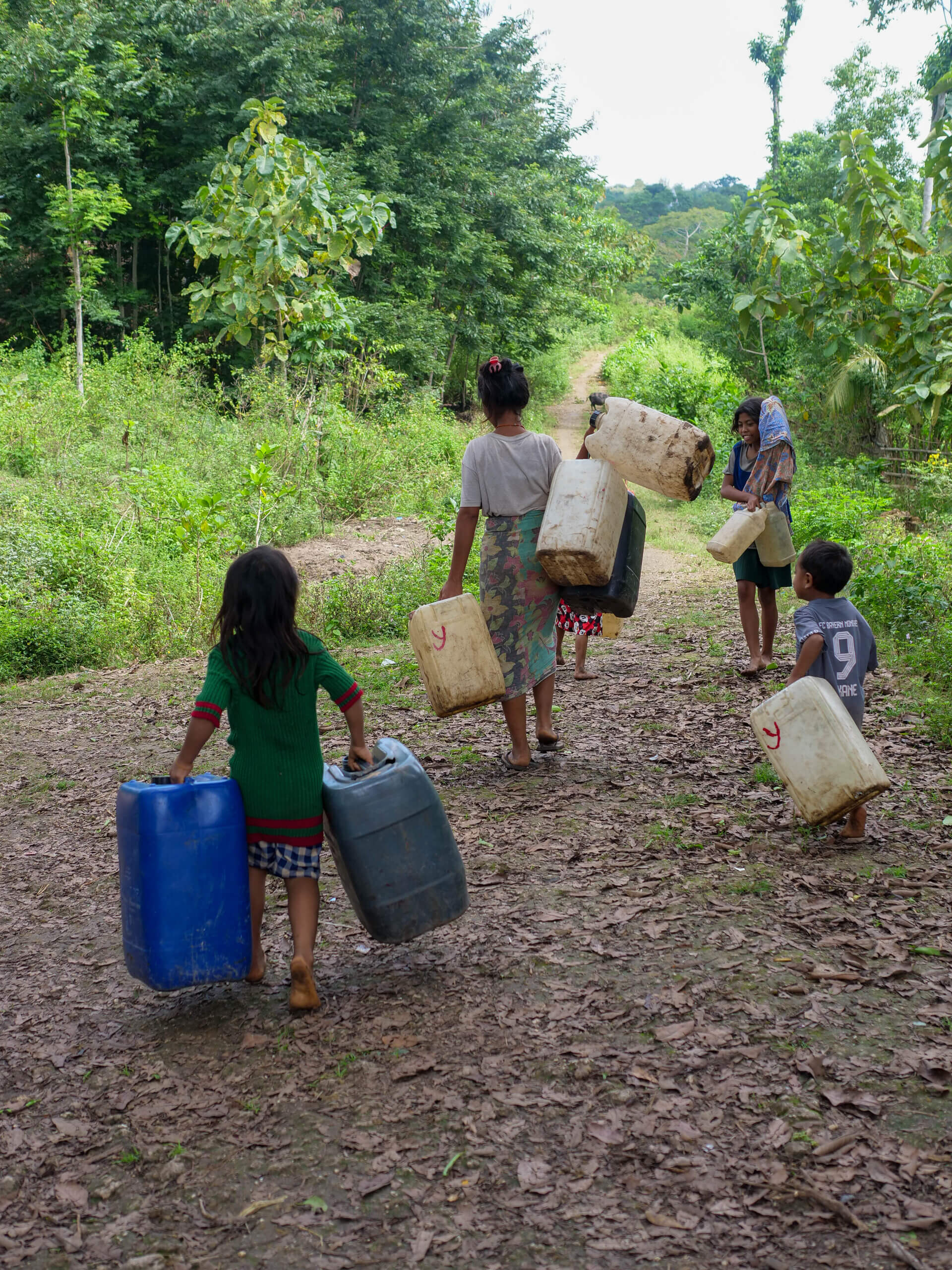
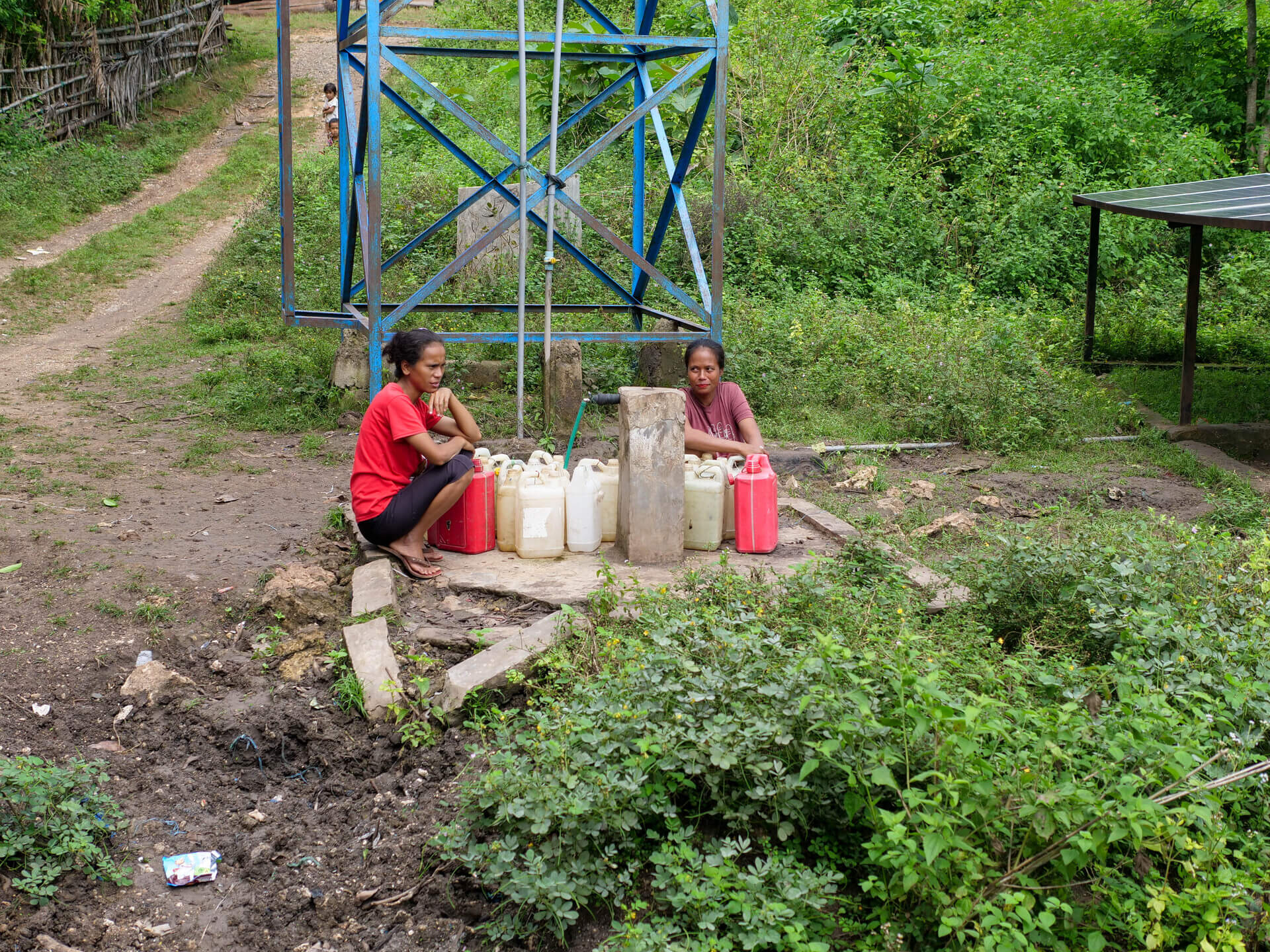
Malaria remains a major health challenge in rural East Sumba, where many families live with limited access to healthcare, clean water, and mosquito protection. In Umalulu Village, malaria continues to affect vulnerable groups — children, pregnant women, and the elderly — disrupting livelihoods and limiting community development. The lack of regular data collection also makes it difficult to design effective interventions.
Solution
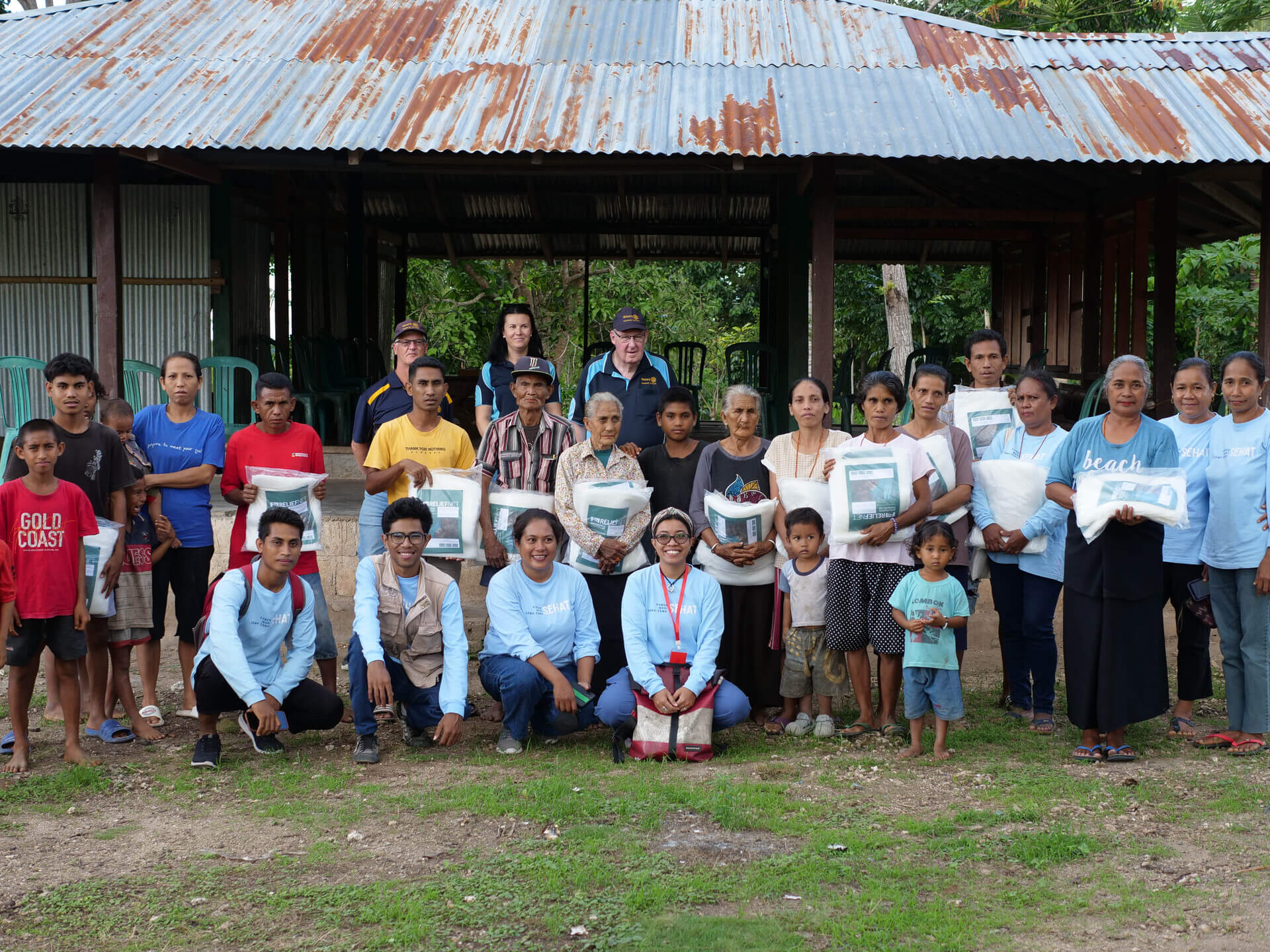
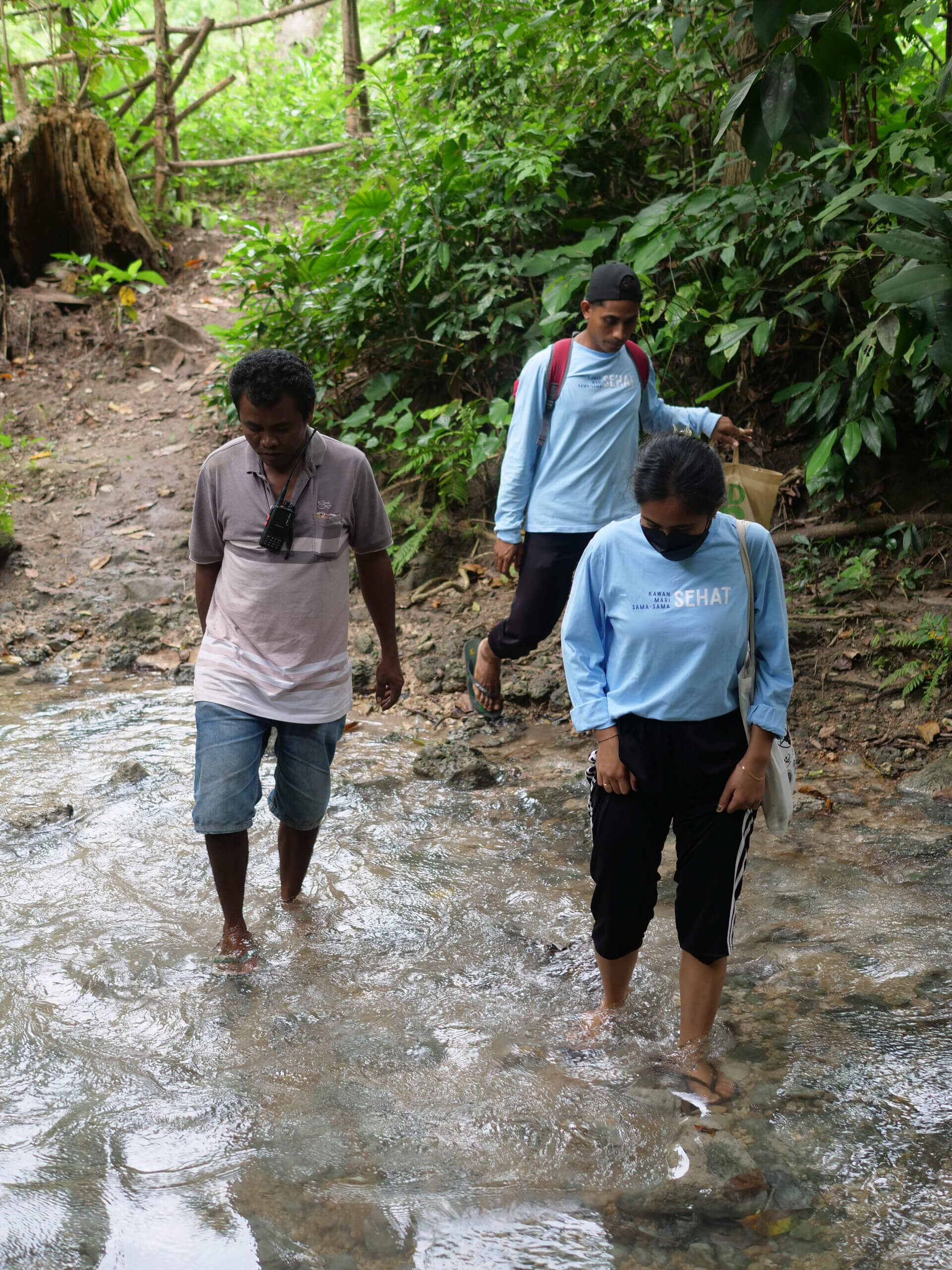
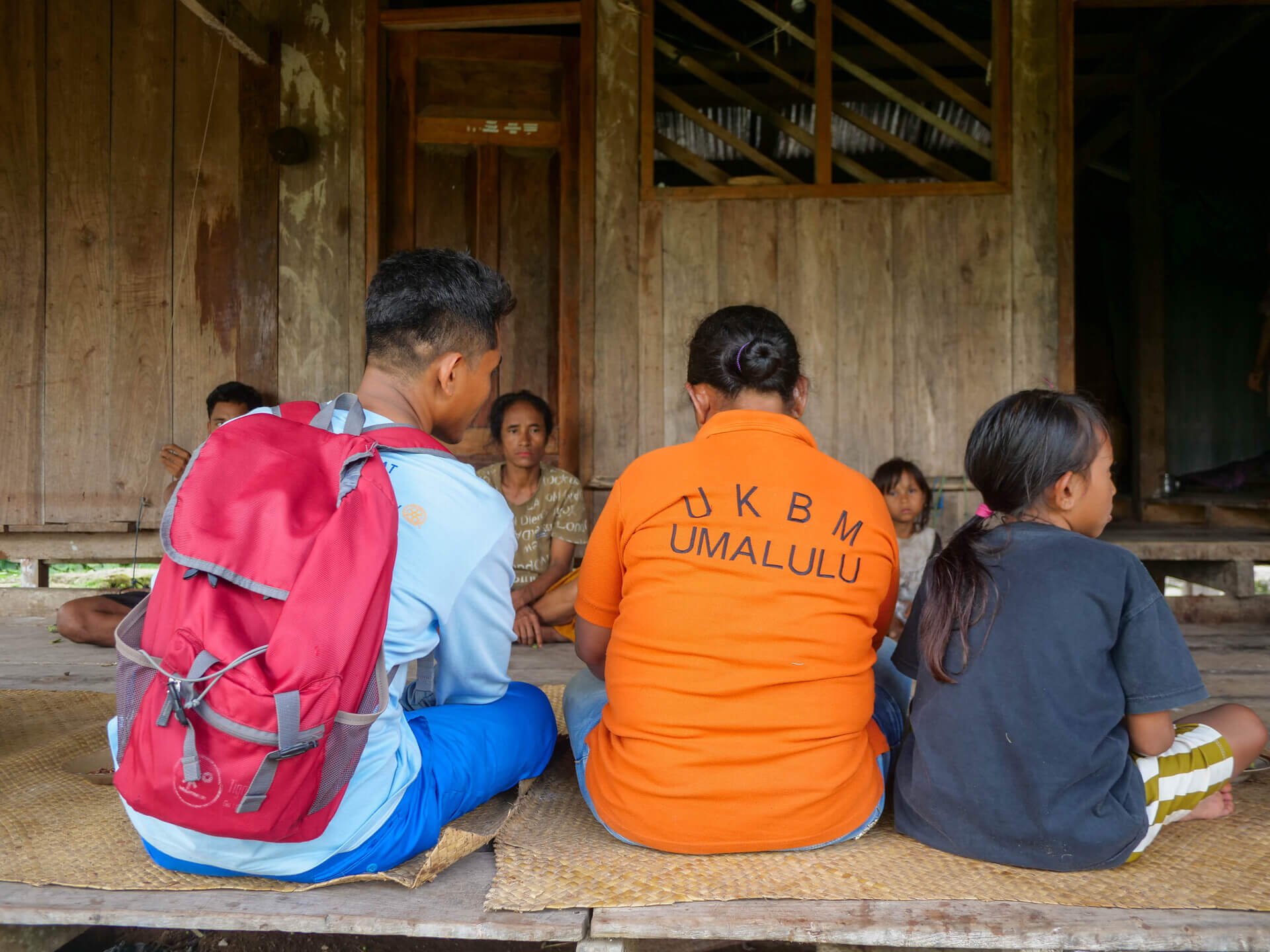
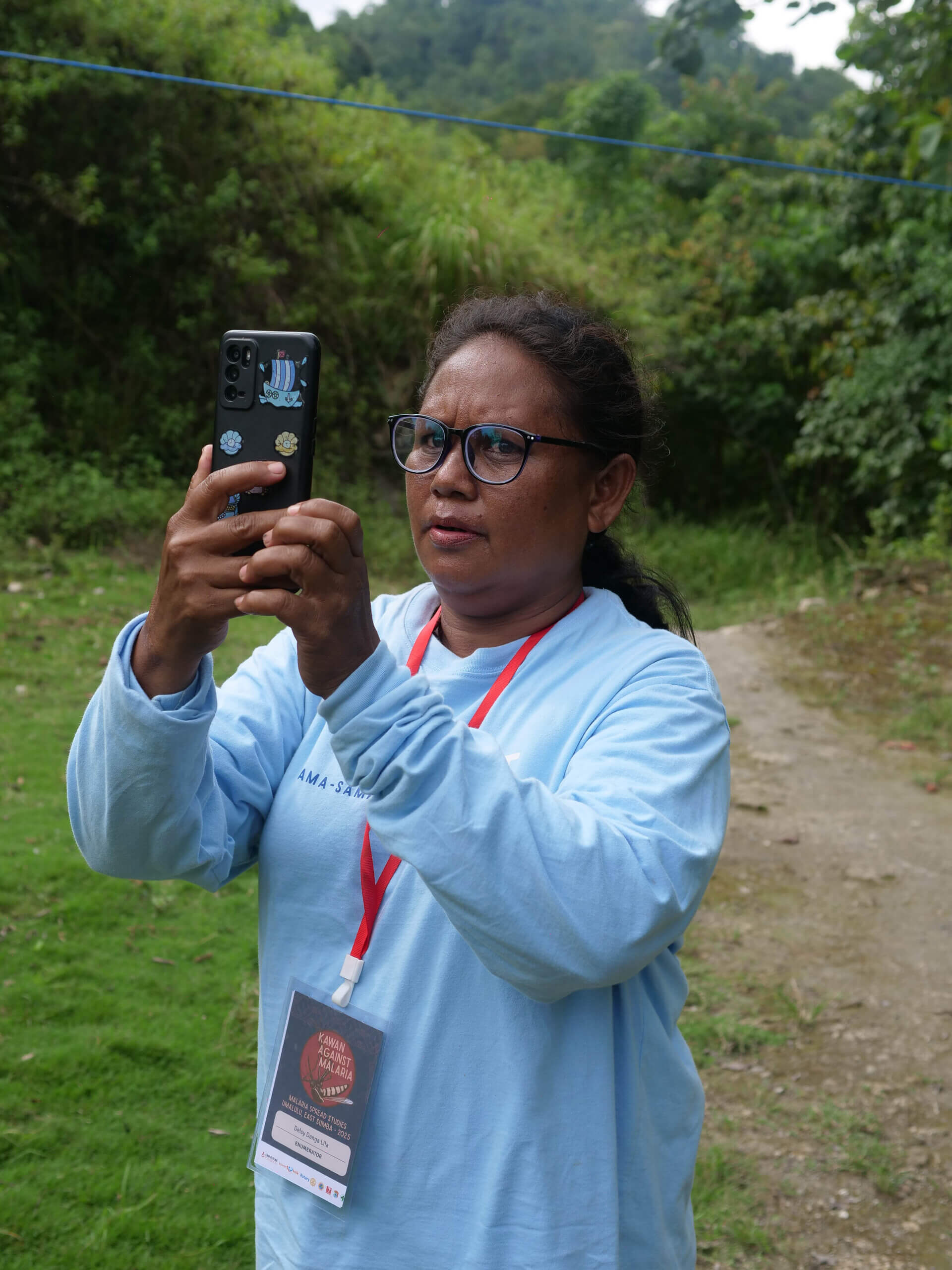
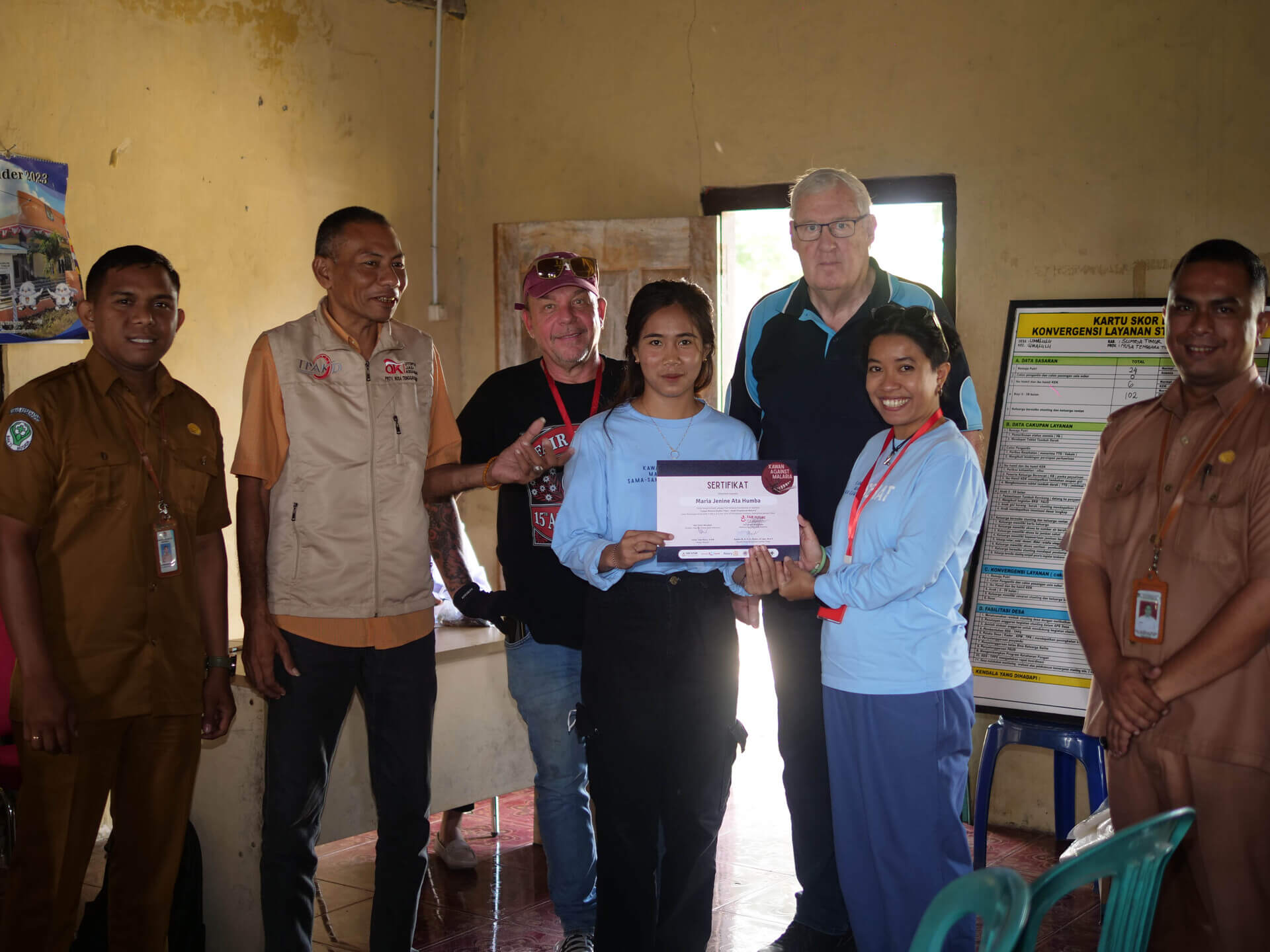
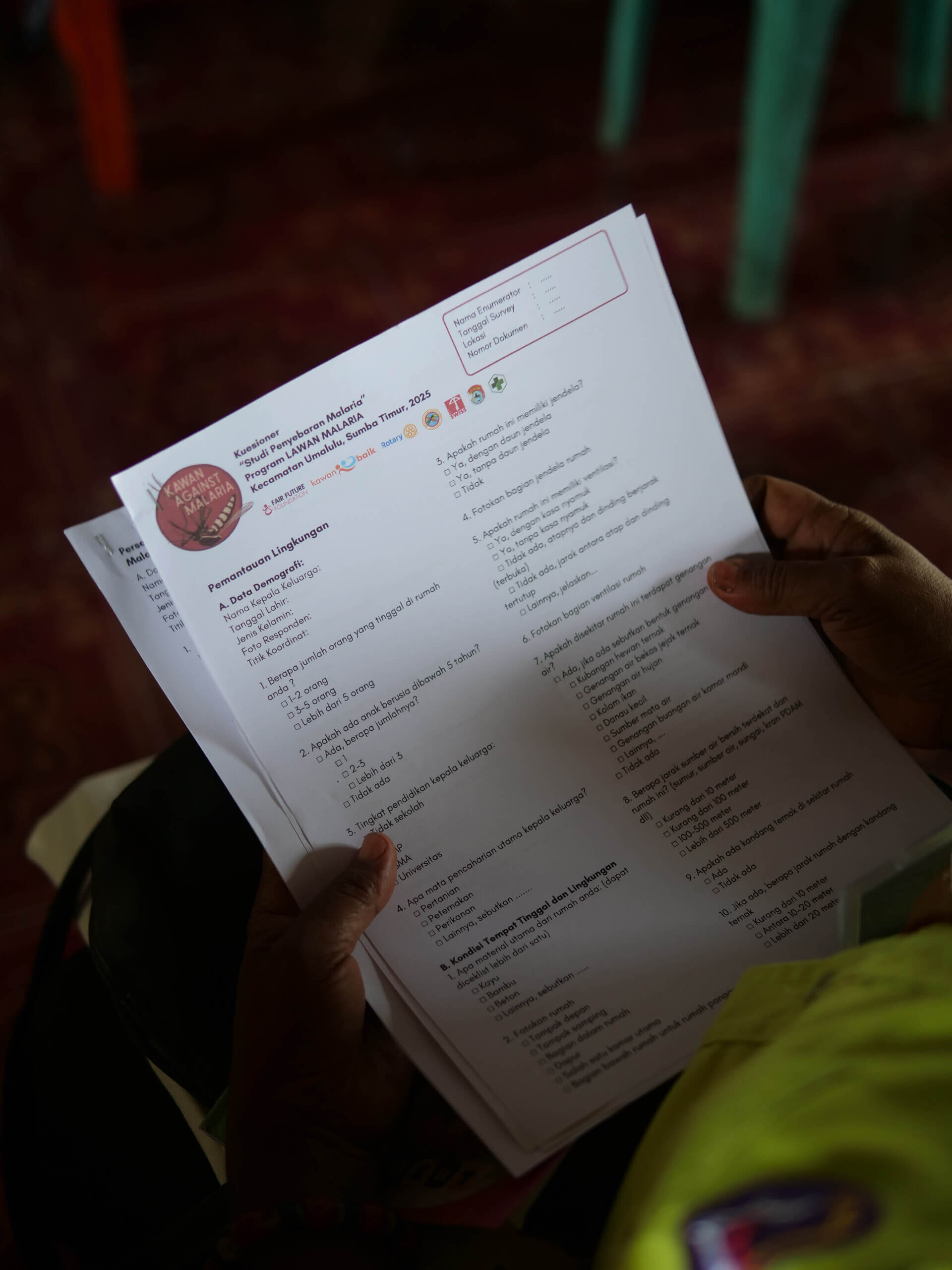
Kawan Baik Indonesia, in collaboration with Fair Future Foundation and Rotary Australia, initiated the Malaria Distribution Study in Umalulu Village to map the spread of malaria and identify behavioral, environmental, and health-related factors influencing its transmission.
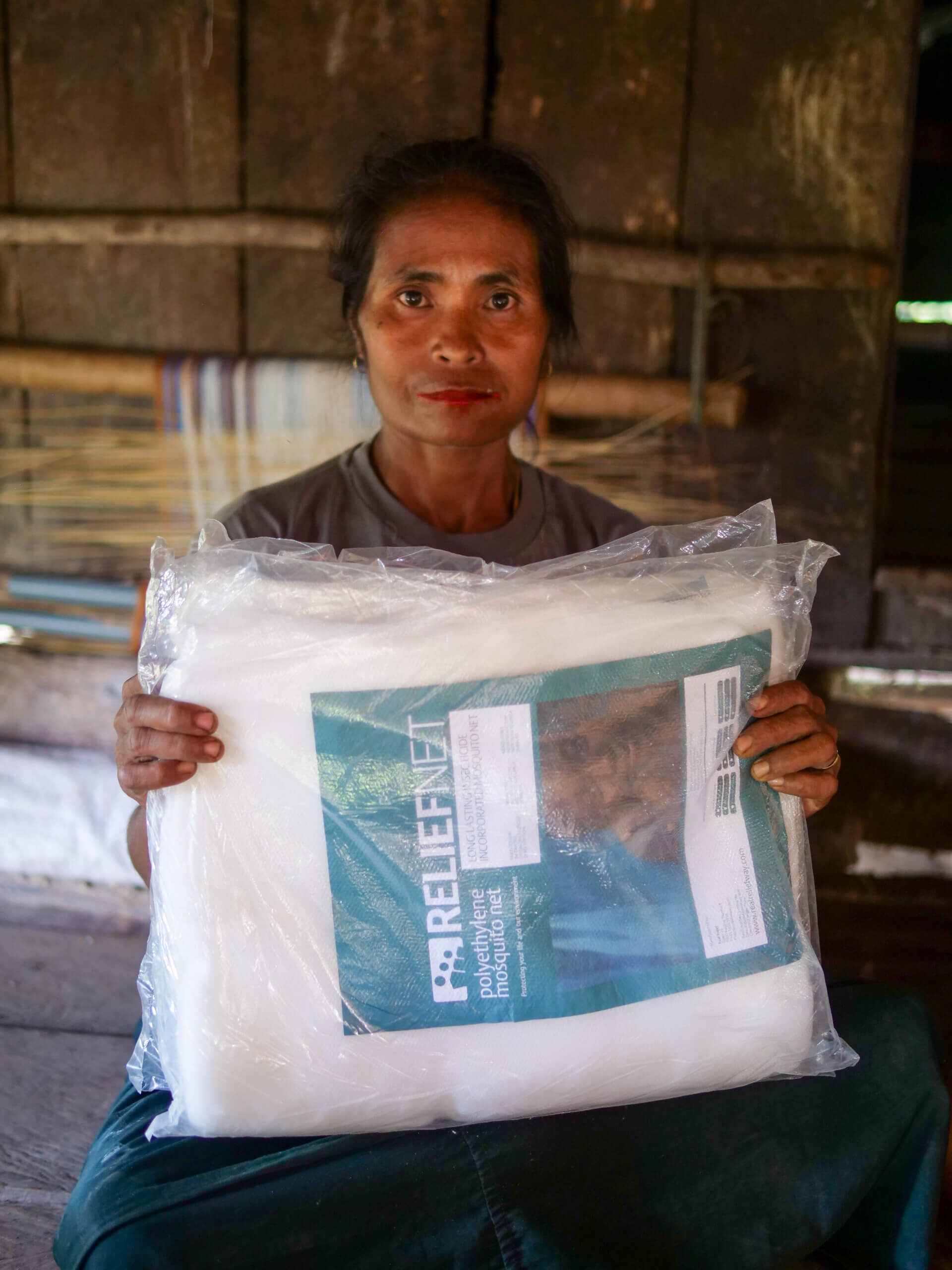
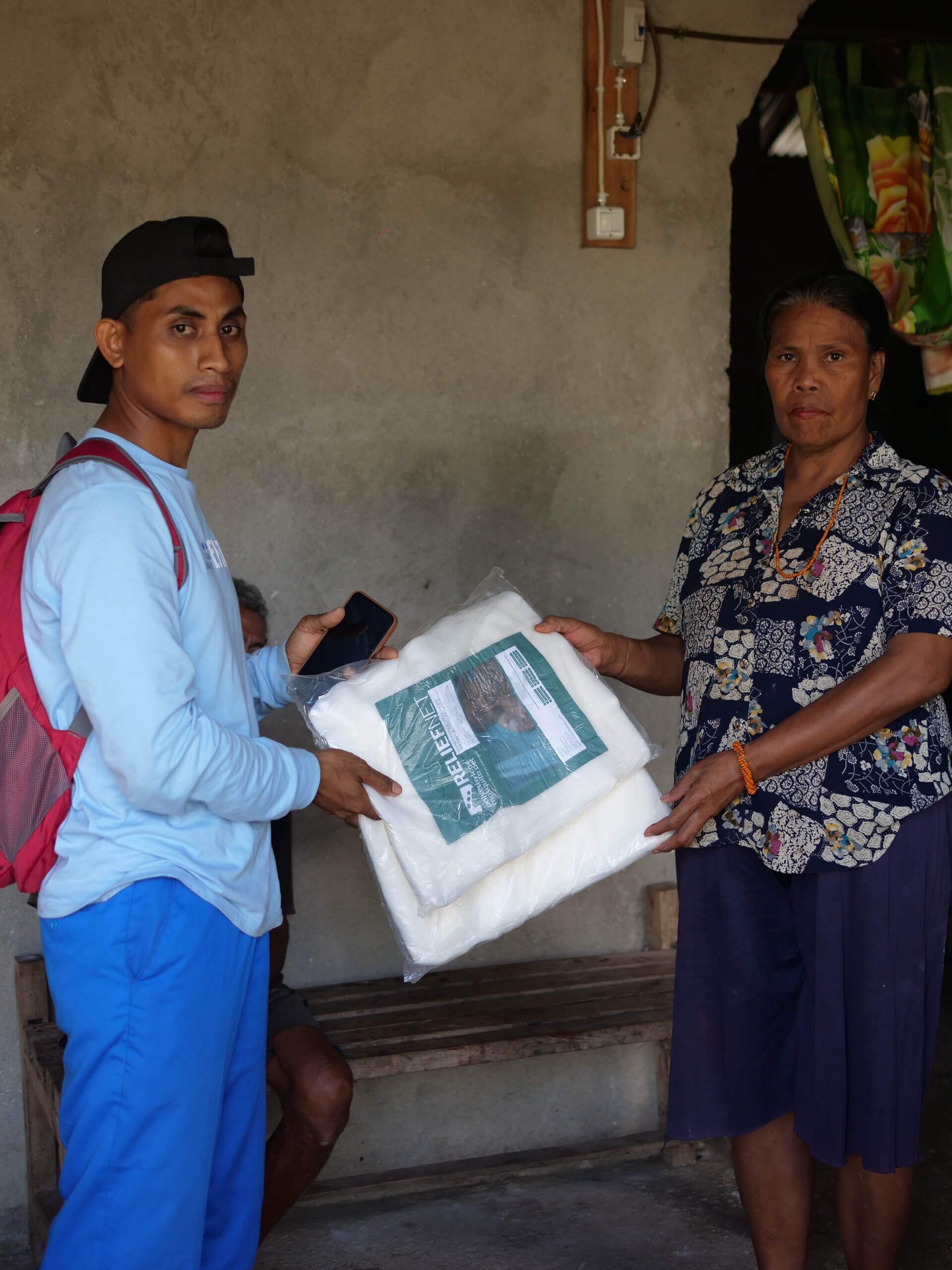
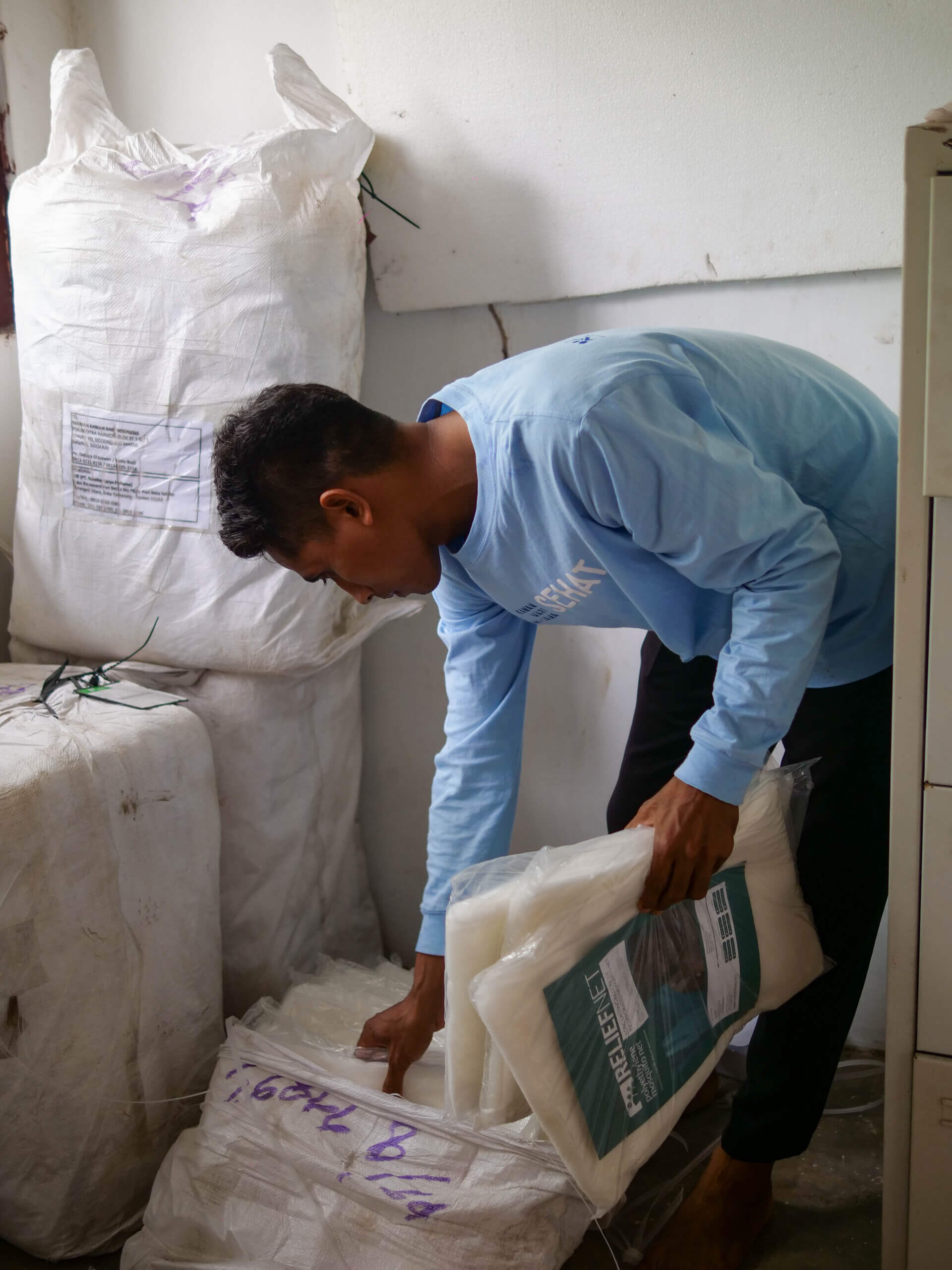
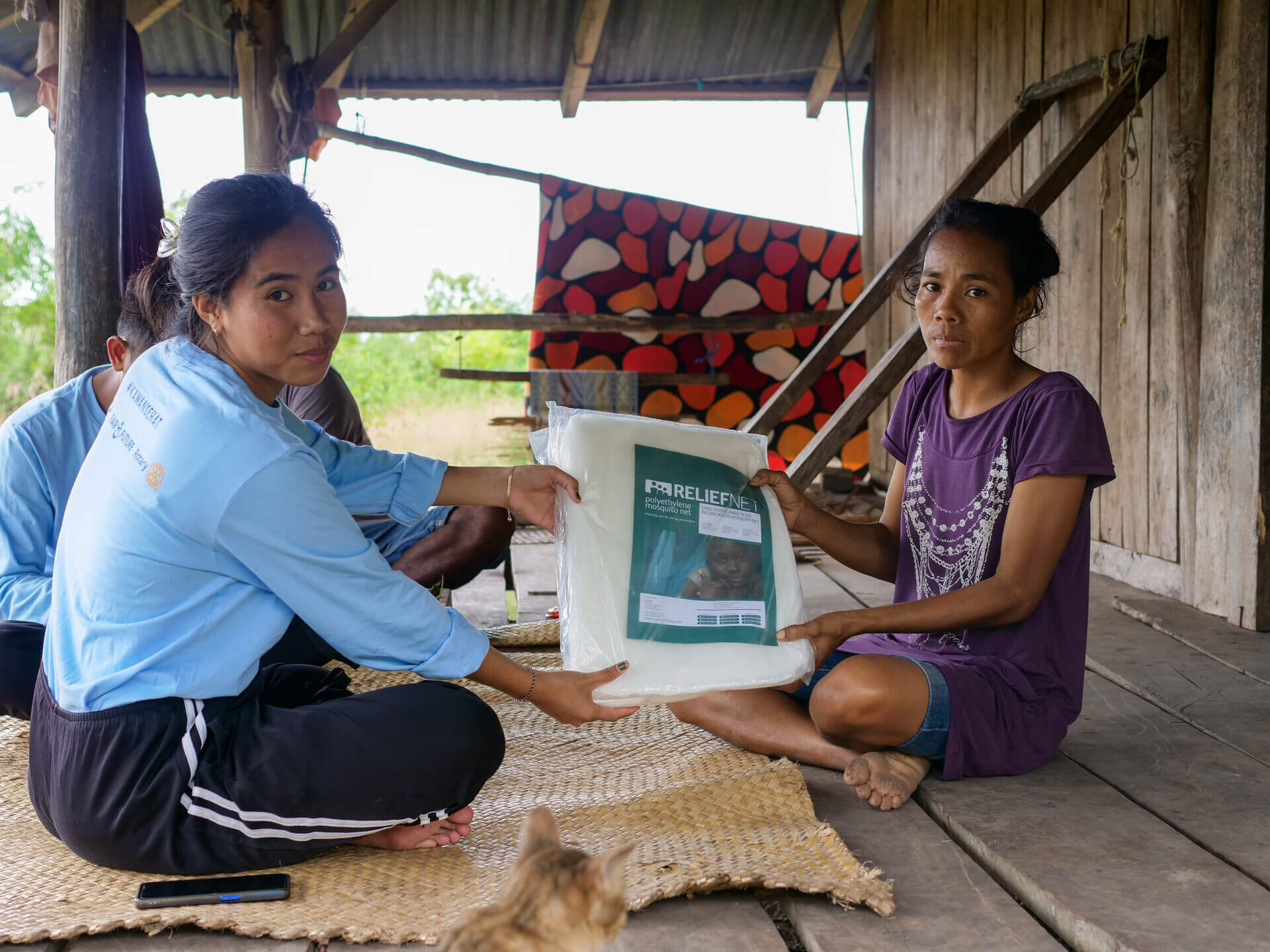
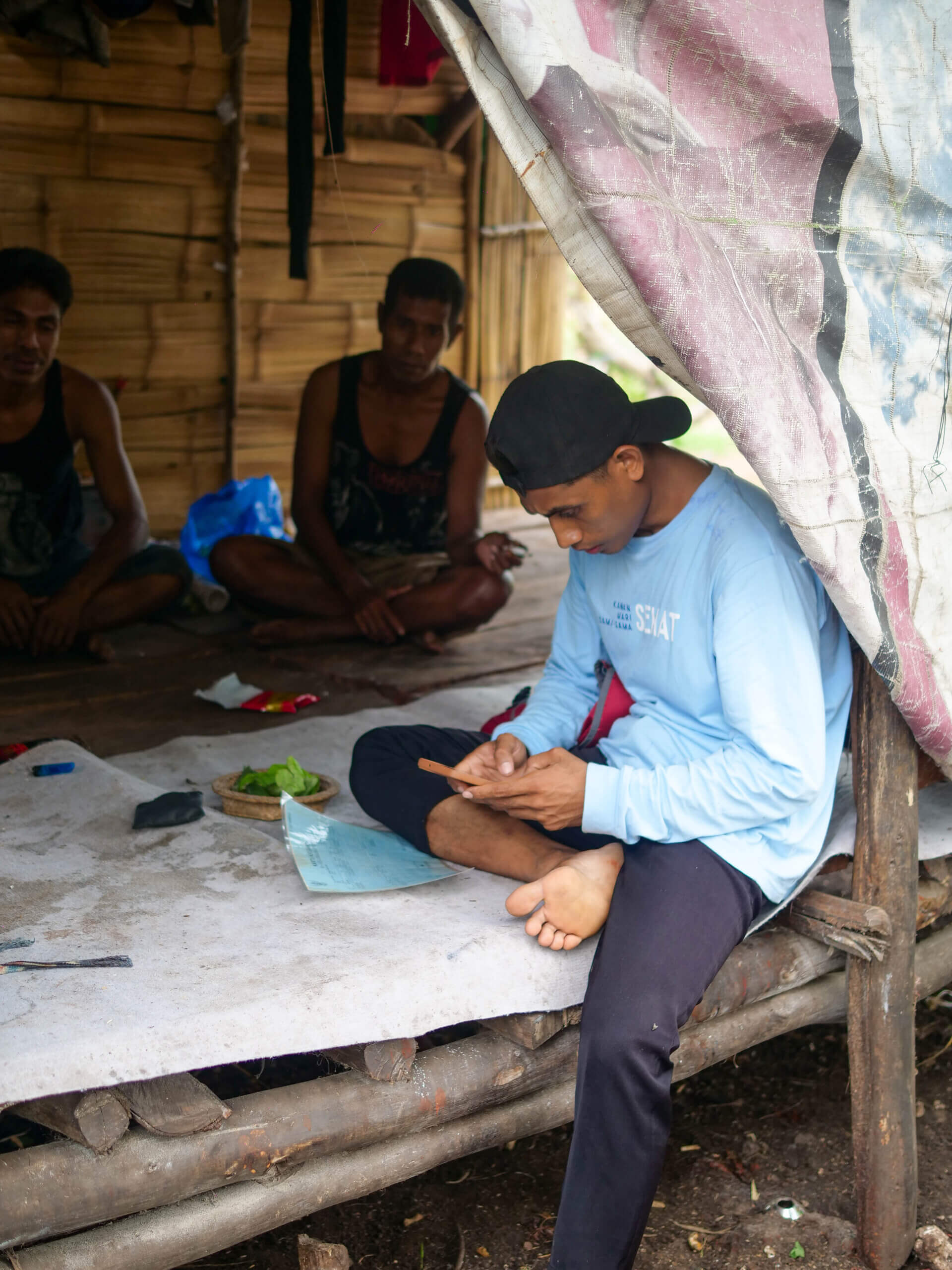
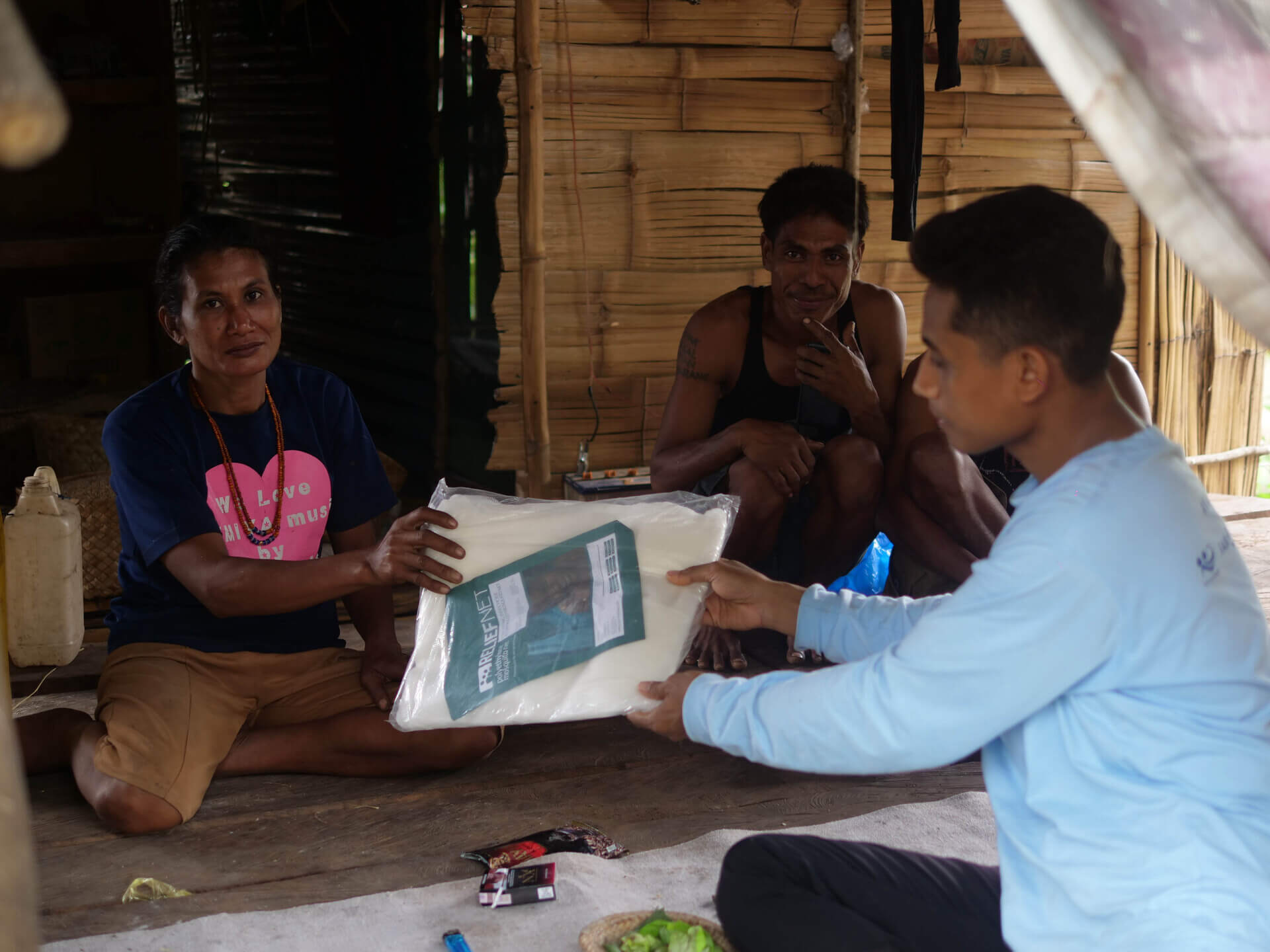
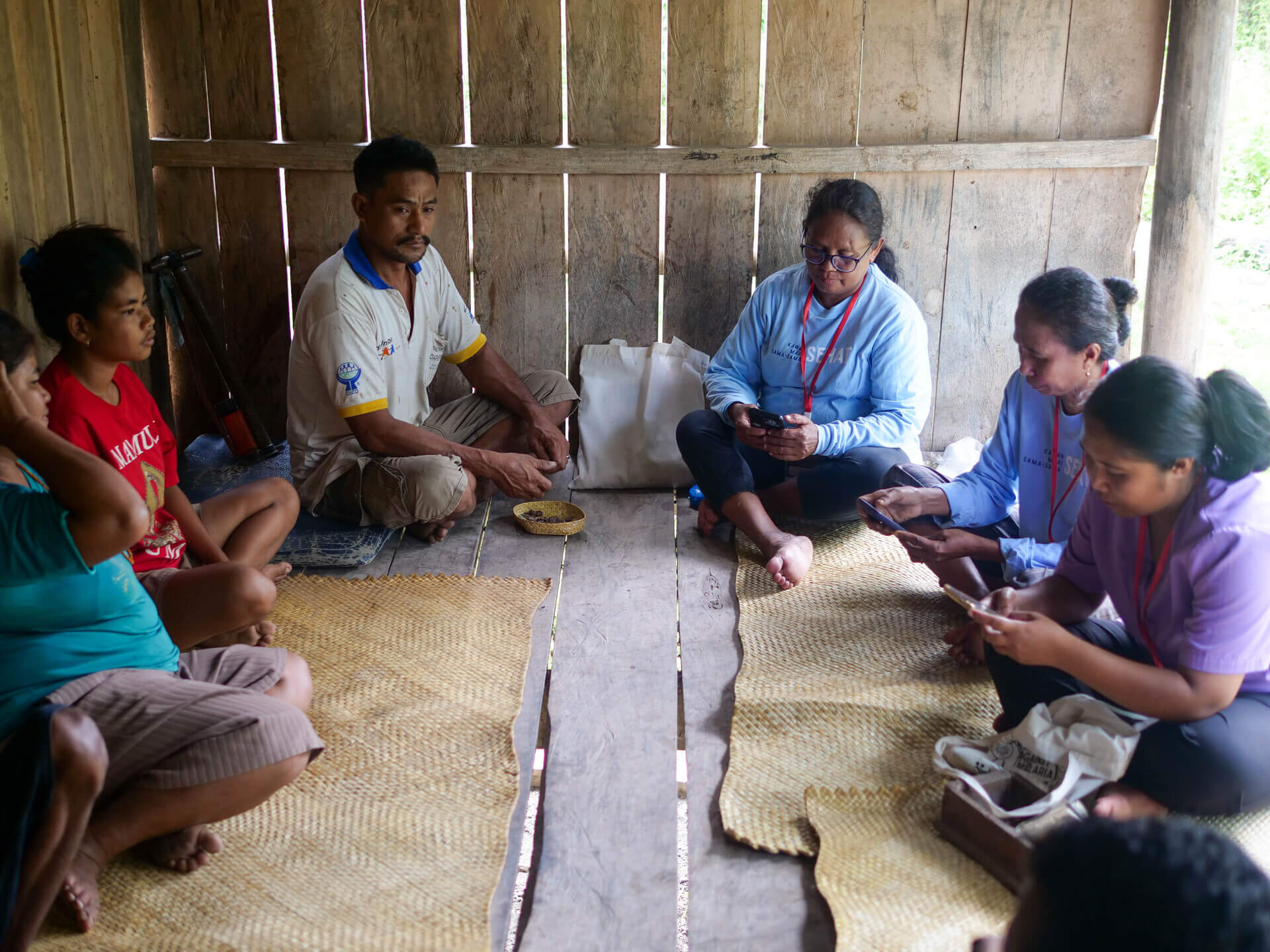
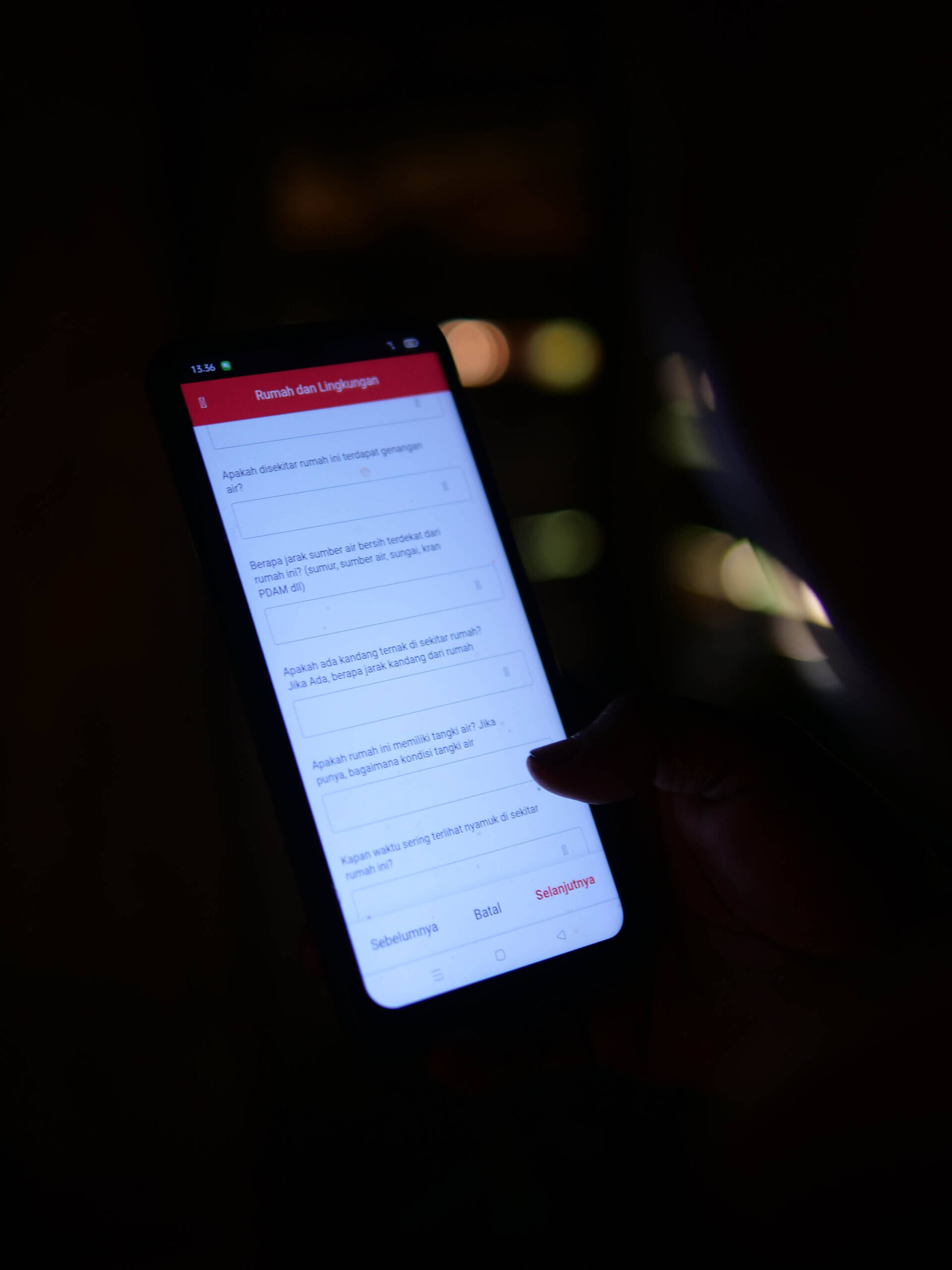
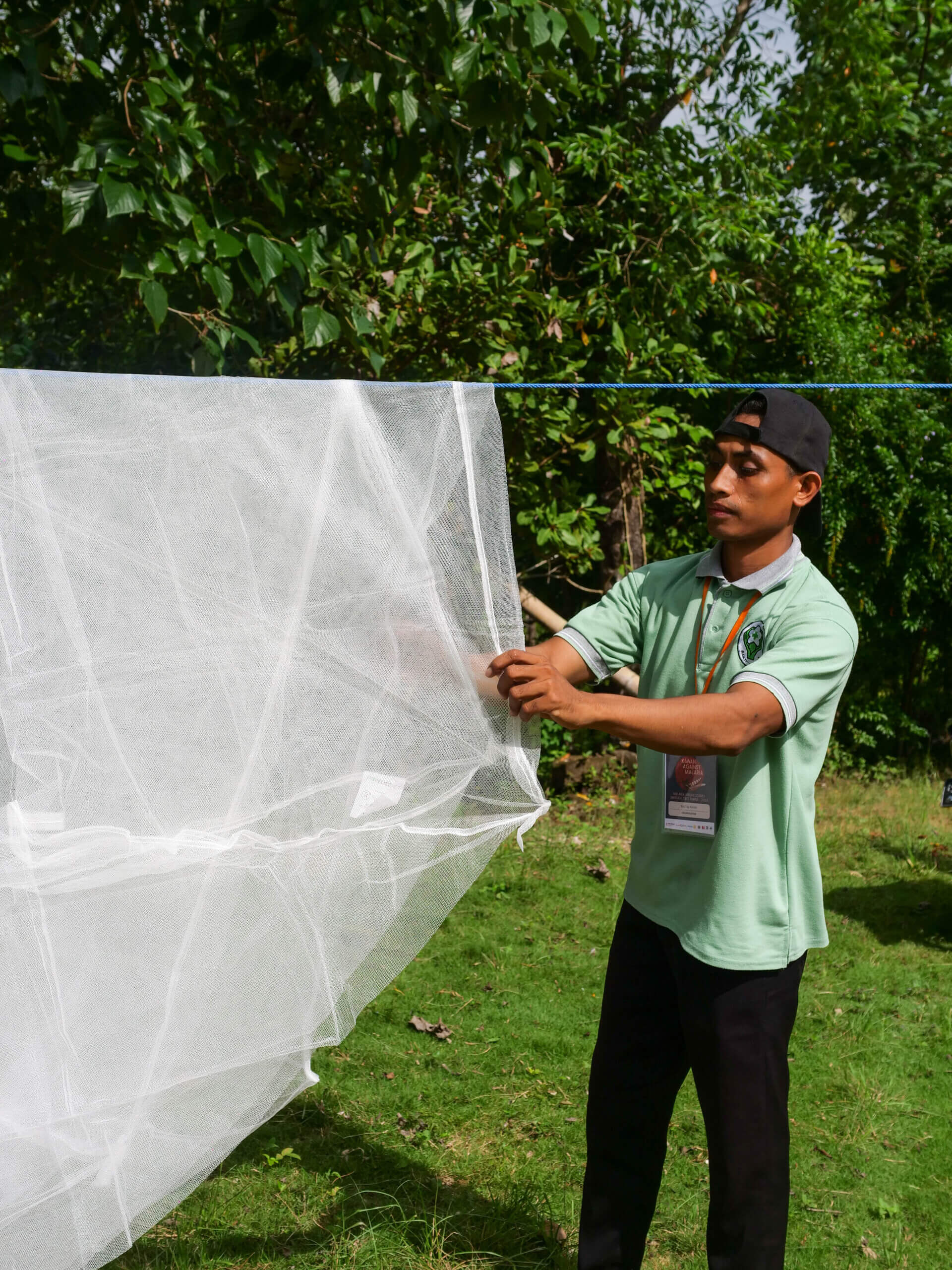
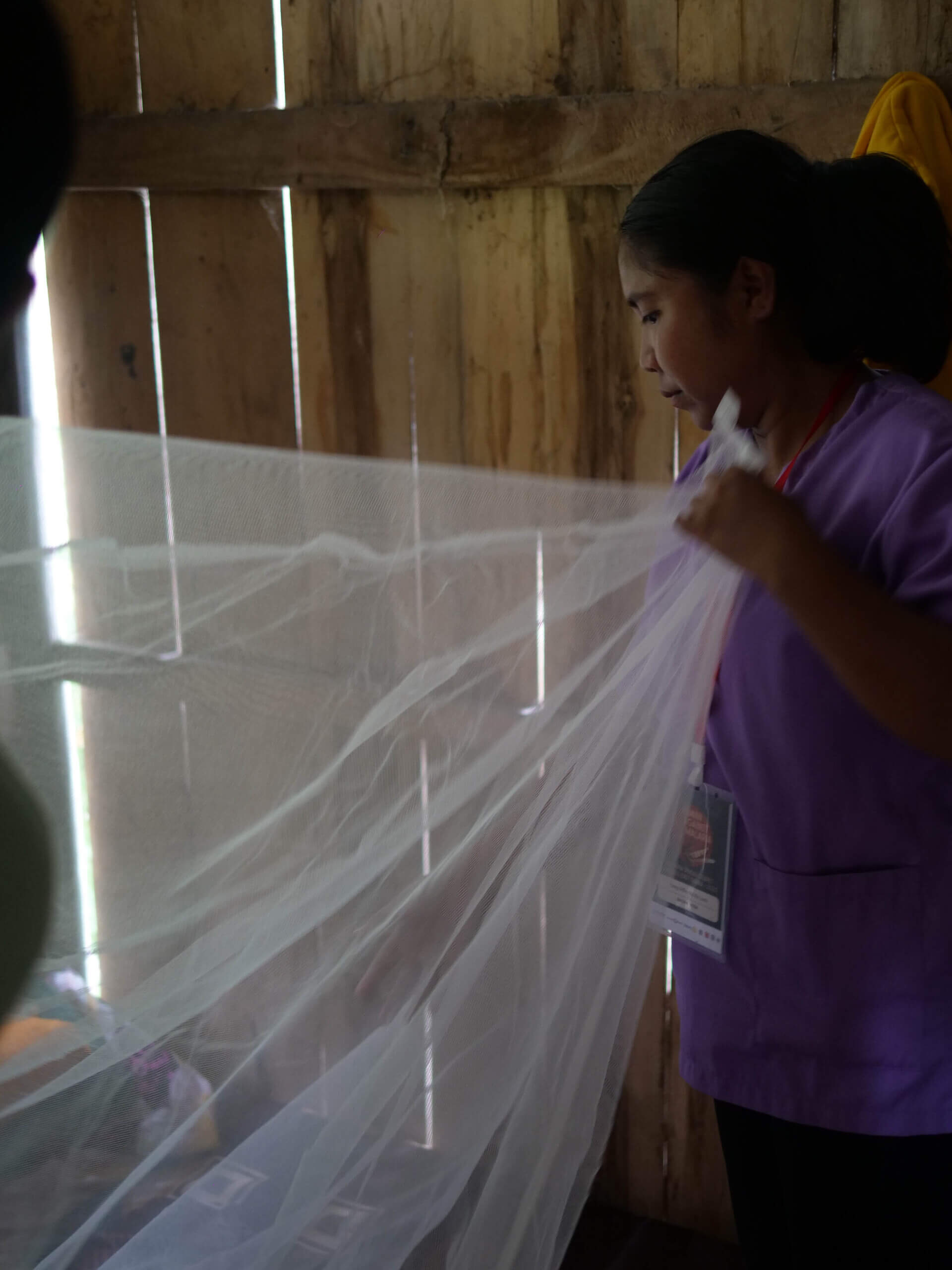
The project involved 460 respondents and 155 households, combining surveys and field observations. Alongside data collection, 230 RELIEFNET 0.18 LLIN mosquito nets were distributed to families lacking adequate protection.
The Expected Impact
This study serves as a foundation for future malaria prevention and education programs in East Sumba. By understanding community behaviors, environmental risks, and awareness levels, Kawan Baik Indonesia and partners can design more targeted, sustainable, and community-driven malaria control strategies — supporting the national goal of a Malaria-Free Indonesia by 2030.
The Project Result
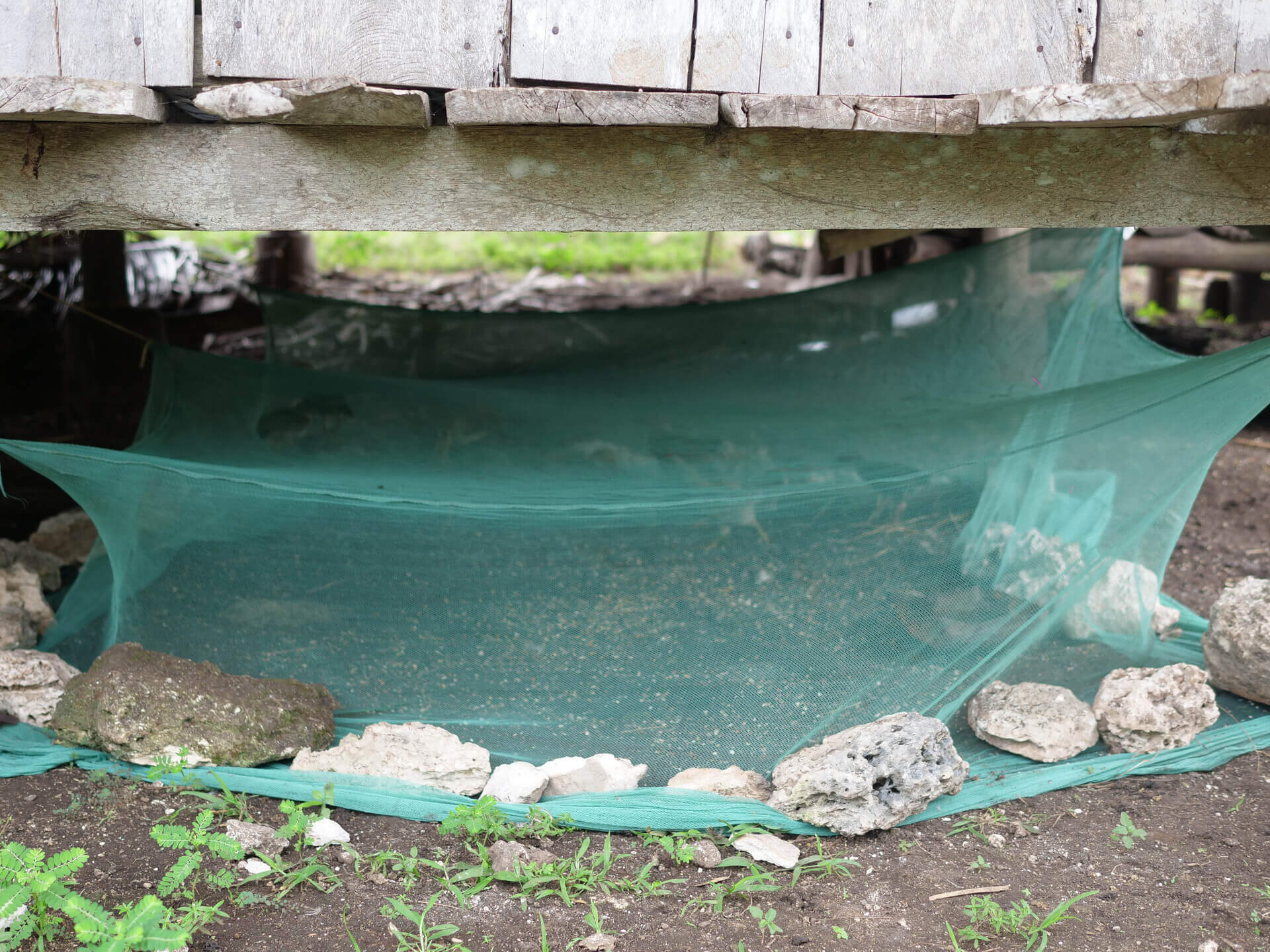
The study found that only 1.1% of households had ever received Indoor Residual Spraying (IRS), while 68% of sleeping groups were fully protected by mosquito nets, 27% partially, and 4% not at all. Most nets (over 92%) had been used for more than a year, showing the need for replacement and continued distribution.
While 77% of respondents knew that malaria is transmitted by Anopheles mosquito bites, about 20% were unaware or misinformed, and 68% could not identify mosquito breeding sites. Nighttime outdoor activities and household habits, such as hanging clothes on terraces, also increase exposure risk.
Encouragingly, 97% of respondents sought treatment at local health facilities, and RDT testing was widely available—89.1% reported being tested, mostly through community health cadres who conduct checks at home. These findings highlight both strong community engagement and ongoing gaps in prevention knowledge and environmental awareness.
Project Cost
IDR 135.717.860
PROJECT LOCATION
DONOR

PARTNERS